
How To Get Your Kids to Eat Healthier: Strategies that Actually Work

Updated: Oct 15
If you have a child that does not eat enough, that refuses their vegetables or refuses anything but a handful of foods, if dinner is often a battleground, I am here to help. Though picky eating is normal, it makes life stressful for everyone involved. There is no quick fix, but over a few weeks and months, you can gradually begin to change your child's diet, until the healthy stuff outweighs the junk.
There are a lot of tips out there for feeding kids. I know, because I read most of them myself. I had a toddler that only wanted milk all the time. I read. I talked to feeding specialists. I experimented with recipes. We worked on it, a little at a time. He now eats a balanced diet, not perfect, but reasonable. You can do it too. Here is what actually works.
CLICK TO GO TO SECTIONS IN THIS ARTICLE:
-HOW TO MAKE FOOD TASTE BETTER FOR KIDS
KEY RULES TO REMEMBER
KIDS ARE HUMANS
Yes, kids think and eat differently in some ways (we will get to that), but they are human beings first. Keep you expectations fair. They have their unique preferences and will respond best to positive encouragement.
Allow your kids to dislike a few foods. They can’t skip whole food groups, but specific foods are normal. We all have our things. So do you. And your kids have a right not to like everything too.
Like the rest of us, sometimes they are not that hungry. This is especially true if you gave them a bunch of snacks between lunch and dinner. Maybe they are a little sick. Keep in mind that their stomachs are tiny and can only hold so much food at a time.
YOU ARE HUMAN TOO
Getting kids to change their habits requires a positive attitude and patience, and there are days you won’t have any. You will cook something you think your kids will love, and they will hate it. You might get irritable at your kids because they won’t touch anything on their plate. You might bribe them. You might cry. You might give them cereal for dinner because you are tired and just want them to eat something.
This is not because you suck at parenting or because you have difficult kids. Parenting is just frustrating sometimes, so cut yourself some slack. Try to relax and be as consistent as you can.

UNDERSTAND HOW KIDS ARE DIFFERENT
KIDS BRAINS ARE WIRED TO FEAR NOVELTY
2-6 year-olds are biologically wired to be more suspicious of new and unfamiliar foods. This helped them in our evolutionary past when they wandered alone foraging for food in the jungle or forest, and prevented them from accidentally poisoning themselves. All perfectly logical. However, in our modern world, where we eat a relatively huge variety of foods, it becomes a little more complicated.
The Fix:·
Young kids will not pick up new foods quickly, so learn to expect that. Transition them slowly to a new dish. Be patient, and expect they will not eat much thte first 5-6 times they are exposed to a dish.
Also, serve some dishes with ingredients separated. Serve the stir fry next to the rice, not on top of it. That way they can eat the parts that are familiar and not feel pressured to eat a bunch of new ingredients they have never seen.
Try a make your own chili or taco night with all of the toppings in separate containers. These kinds of dinners are fun for everyone, plus kids might get curious to try a bite of one of the ‘weird’ toppings once they get used to seeing it regularly.
KIDS TASTE THINGS DIFFERENTLY THAN GROWNUPS DO
Young kids have twice as many taste buds as grownups do. The number gradually decreases as they age. Everything tastes more intense to kids. They have a higher concentration of taste buds for sweet foods and are more sensitive to bitter flavors. This means that they will be more sensitive to things like bitter vegetables, spicy foods, and the dressing on your salads.
KIDS TEND TO HAVE GLOBALIZED THINKING
Young kids often think about the world in an all or nothing way, known in psychology as “globalized thinking.” They lose one game of soccer, and think “I am terrible at soccer. I will never be able to play well.” They eat one bruised strawberry and think that all strawberries taste bad. They eat one bitter piece of lettuce and think that all green foods always taste bad. This kind of thinking does not allow for nuance or variation, that maybe different vegetables taste differently or you just got a bad batch of strawberries this week. You can try explaining bad experiences to them rationally as they get older, but you may have to wait a while and try again later.

CONSIDER PHYSICAL OR SENSORY ISSUES
If your young child is a “fussy” eater, there is a good chance you are dealing with sensory issues. This will be apparent in other areas besides food. They may refuse to wear certain clothes or fabrics, or get stressed at loud noises and bright lights. If your baby cried every time they went into a CVS (like mine did), with the music playing and bright lighting, your child likely has some sensory issues.
Often kids develop food aversions due to the temperature or texture of food. Too hot, too cold, too crunchy, too hard, too squishy. Those cold grapes you just took out of the back of the refrigerator may be might hurt the child’s teeth, but at room temperature your kid might enjoy them. Or those hard, crunchy carrots might be more appealing if you steamed them a little and made them softer.
Also, consider their teeth. As their teeth slowly come in, they may find that certain textures become easier or more difficult for them to chew. I found out a few years ago that my son’s top and bottom teeth are slightly misaligned, so that the back teeth have to do some work to grind up hard foods like raw vegetables. Check with your child’s dentist.

STRATEGIES YOU CAN USE
1. FEED YOUNG KIDS ON A SCHEDULE AND MINIMIZE SNACKS
I start with this because I have seen it so, so many times. Loads of snacks will fill kids up before their main meal. They don’t need crackers, and cheese, and gummy bears, and a cookie, and juice, and chips, and some grapes all an hour before lunch. If you want your kid to have some vegetables with dinner, or try something new, they need to be at least a little hungry when they sit at the table so that they have motivation to eat what is front of them.
If your toddler drinks too much milk, offer milk at a fixed time AFTER their meals so they get other nutrients before filling up on the milk.
2. MODEL HOW YOU WANT THEM TO EAT (most effective for ages 0-6)
Kids learn more from what you do than what you say. If you are stuffing your face with chips 10 minutes after dinner, they think that they should too. When they see you genuinely enjoy eating something, they will see it as delicious and want to try it.
My son has been eating sushi since he was a toddler (not to brag or anything). What did I do to get him to eat that? Nothing, not a thing. He used to come grocery shopping with me once a week, and on the way out I grabbed myself a salmon roll. Often I would eat a few bites before we got to the car. One day as he watched me gleefully devouring a piece of maki, he reached over from the shopping cart, grabbed one, and stuffed it in his mouth. For him, it was love at first bite. After that, sushi dinner became a weekly routine.
Eat what you love, don’t make a big show about it, and your kids will notice. They won't love everything you do, but they are more likely to try it if it looks like something tasty.
3. TEACH THEM THE ‘POLITE BITE’ RULE
A reasonable compromise is to expect kids to try a bite or two of a new food, especially if someone spent time cooking it for them. If they hate it, they don’t have to eat anymore, but at least they should find out what it tastes like. The “polite bite” is an important rule of etiquette they should learn as they get older and eat as a guest in other people’s homes. When someone makes you homecooked food, it is simply rude to refuse to even taste it unless there are allergy or other dietary issues with it. You are teaching your child to be open minded with new foods, but also teaching them how to treat other people.
4. DON’T PUSH TOO HARD TO GET THEM TO EAT ANY PARTICULAR FOOD
This is probably the hardest strategy on this list. Your child will be more open to trying new foods in a positive, low stress environment. Kids may refuse certain things for years, then one day decided they like them. You never know. Just have it on the table, and say nothing.
Think about what your kids experience when they sit at your dinner table. Do you watch them eat every bite? Do you tell them they have to clean their plate even if it’s a food they hate or they are just not hungry? How would you react to someone doing any of these things to you? You might be resentful, or mad, or just learn to hate meal time, because that is how most people would react. Ditto for staring at them while they eat and going, “yum, yum, yum” over and over again. This just makes you look crazy.

5. MAKE ONE MEAL FOR EVERYONE AT THE TABLE
Making kids a separate dinner teaches kids that normal food is weird, and that kids should have bland, fried and beige foods all the time. Food is only ‘weird’ when it is unfamiliar.
Ask them to taste a dish once if it is something brand new. They may like it, or they might refuse to try it. Serve something enough times (typically 5-6 times), and eventually, they often get a taste for it and eat more. They may never love it, but there is a decent chance it will eventually eat some.
On a recent visit to an Italian restaurant with my parents, we were looking at appetizers to split, and my dad asked my then 8 year old if he wanted some fried mozzarella sticks. My son preferred the steamed mussels. My parents looked slightly stunned and confused. Why would he reject ‘kid food’ for fancy grownup food? Because that is a regular weeknight dinner at his house, he knows it, and he likes it. ‘Normal’ is what you are used to.
6. DO NOT BRIBE KIDS WITH DESSERT
A lot of parents offer dessert as a reward for eating their meal or the vegetables, and it does not work to teach them healthy eating. First of all, if you are trying to get your kid to eat healthier, than why are you serving dessert every night? Moreover, why is it in your house regularly? Second, all this teaches kids is that regular food should be viewed as a chore to eat before they get sugar. Cake and ice cream taste great. Enjoy them occasionally. Not every day.
A good reward for eating their dinner is to not be hungry. Your job is to provide food. Their job is to eat something. If they are hungry, there will be something available on the table.
7. ALWAYS HAVE SOMETHING ON THE TABLE THEY WILL EAT
This advice has been repeated time and again because it works. Make sure there is something liked and reasonably filling to eat- a carb like bread, corn on the cob, or potatoes often work well here. This takes the stress out of the meal for everyone. The fish or chicken entrée might get rejected, but the sides will be eaten if they are familiar and your child is hungry.
Cooking for a crowd is all about compromise. Everyone, adults and children alike, should be able to find something to eat that is okay. Not their favorite, but acceptable.
8. PLAY WITH YOUR FOOD (best for ages 1-5)

Make meal time fun. Let them make food art. Make a pretend game or art projects out of their snack. Even if kids don’t eat a certain food for a while, just getting them to touch it, play with it, and eventually taste it are key steps in that process. The goal is to make those foods less scary and stressful.
Here are some ideas for making food more fun:
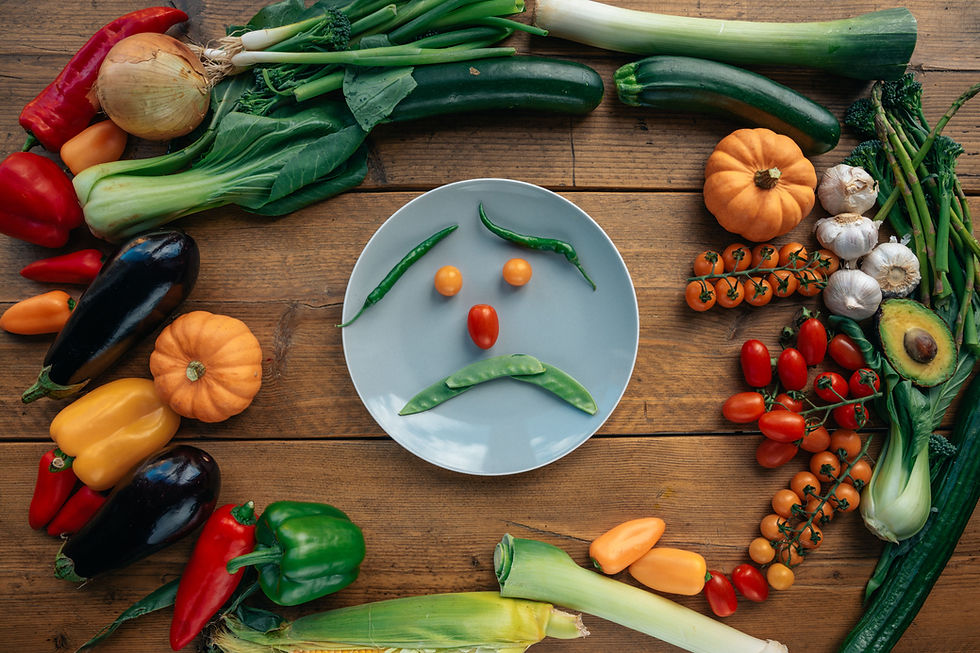
Turn their meal into a happy face.
Put raspberries on you fingertips (see above).
Cut banana into thick slices and top with a dollop of peanut butter or almond butter in the center. Pretend it is a banana 'cupcake' with frosting on top.
Give them a big white piece of paper, then let them 'paint' with berries or beets.
Have you ever seen an empty mussel shell? It looks like a little mouth. Pick it up and make it talk with a funny voice.
Make a "blueberry stick." Give them a wooden skewer, blueberries and cheerios. Let them put the blueberries and cheerios on the stick as an art project. Tell them they can't eat it until they are done decorating the stick. They will want to eat it. You can also, cut up pieces of other fruit.
Make the classic "ants on a log" with celery, peanut butter, and raisins.
9. COOK WITH YOUR KIDS
Besides being a fun activity to do with you kids, especially when they are younger, they will probably eat some of what they cook. Kids are more likely to taste something if they invest their own time and effort into making it.
Young kids can do simple tasks like shucking corn on the cob or stir a sauce.
Older kids can use kid’s knives to help slice and measure ingredients.
Preteens and older elementary can make simple dishes like eggs or soup.
Let you kids be tasters and adjust/add ingredients
Second, when you cook or bake you control the ingredients, which are likely healthier than whatever processed junk you might find in the supermarket. This is such a great way to teach them about food. Kids can see that what ingredients are going into what they eat and what fresh food looks like.
10. BAKE
Kids like sweets, so if you can find the time, bake healthier versions of what they like. Brownies, cookies, chocolate pudding- there are healthy recipes for all of them with whole grains, low fat, and healthier sugars. Keep baked goods in the freezer, then pull out as
needed for a quick snack.

11. MAKE EASY HEALTHY INGREDIENT SWAPS
Cooking from scratch allows you to control ingredients.
Swap out white flour for some whole oats and or whole grain
Use a lower glycemic index sugar like date or coconut sugar
Use applesauce in place of oil for baking.
Replace white rice with brown rice or barley (very similar texture).
Use a whole grain pasta and whole wheat sandwich bread.
Serve more fresh fruit and less juice.
Replace some beef with white meat.
Replace cream in sauces with whole milk, coconut milk or stock.
Replace sour cream with Greek yogurt.
Serve plain Greek yogurt with fruit and granola instead of sugary flavored yogurt. Read ingredients and check the the amount of sugar in different brands.
13. FOCUS ON FINGER FOODS (best for ages 2-6)
Kids like to eat with their hands. It’s easy, interactive and more fun. True, eating with your hands is not the most sanitary, and you are trying to teach them to eat with a fork like a civilized person rather than a caveman, but this works. Here are a few ideas:
Put fruit on skewers or toothpicks.
Make a caprese salad on a toothpick- one cherry tomatoes, one mozzarella ball, one basil leaf, drizzle with olive oil and balsamic
Put cubes of sweet potatoes on a toothpick and let them dip in ketchup
Try sushi, fish or veggies- they key thing is it looks cool
Serve shellfish like mussels and clams where they can pick up the shells, or shrimp with the tail on.
Put some veggies or beans and cheese in a quesadilla
Make a whole tortilla rollup sandwich, then slice into sushi sized bites
14. HIDE THE VEGGIES
Yes, the goal is to get them to openly eat real veggies, but while you are trying to get that to happen, you can make sure some nutrients are still getting into their bodies. Grate or chop vegetables small, since large chunks will be obvious and unappealing. This works well with dishes like baked goods, meatballs, meatloaf, quesadillas, lasagna, sauces, soups dumplings, spring rolls, and chilis.
15. MAKE SURE THERE IS A VEGETABLE ON THE PLATE WITH EVERY MEAL
The goal is to make vegetables part of their daily routine. They may not like every vegetable, but they will learn to expect it as part of the meal and find a few that taste okay. Give you child a choice of which vegetable they want with their lunch, and focus on sweeter veggies like sweet potatoes, carrots, peas, corn, bell pepper, or cucumber. If they won’t touch a simple steamed or raw veggie, do something interesting with the vegetables rather than serve them plain all the time.
Think of veggie centered meals like broccoli-cheddar soup or eggplant parmesan.
Offer veggies with a dip they like, such as ketchup, ranch, teriyaki sauce, barbecue sauce, or a squirt of lemon juice.
Sneak one into their sandwich. Avocado adds a nice creaminess, just like mayo.
Add something sweet, like butternut squash with dried cranberries or cinnamon, carrot salad with raisins, or maple syrup glazed brussel sprouts.
Mix greens with something cheesy or creamy, or a tomato-based sauce.
Even just a little butter and salt will work wonders.
Give them a choice of 2 or 3 veggies so they have some input in the meal. Eventually they will find a few things they will eat.
15. CUT DOWN ON THE JUNK FOOD IN YOUR HOME
You can’t eat it if it’s not in the house. I don’t keep ice cream in my house. For some reason, this is the thing that usually shocks most parents when I talk to them about what I feed my child. I will buy frozen Greek yogurt pops in the summer, sometimes, but that’s it. We will go out to buy ice cream maybe once or twice a week, but it is not everyday. Same thing with Oreos, candy, soda, etc. If you don’t want your kids to keep eating it, stop keeping it around all the time. Which leads me to my next tip. . .
16. LET THEM EAT ICE CREAM SOMETIMES
Junk foods should be "sometimes" foods. Your goal is not to ban sweets, but just make them an occasional treat. Otherwise, ice cream and candy became forbidden fruit and kids obsess about them. One guy I know rebelled in his teenage years against his overly restrictive healthy childhood diet by gorging every day on chips, pizza, and candy. He got very overweight and had pimples all the time. It took years for him to find a more balanced diet.
Try giving your kids a dessert once or twice a week- cookies, cake, whatever they like. They will learn that dessert is something you enjoy sometimes. Not all the time.

17 WHEN ALL ELSE FAILS, SCARE THEM A LIITTLE (best for age 5 and up)
Fear works. Just a little, and try to make it humorous if you can. When my mom taught me how to do my own laundry, she always told me about her cousin Sheila who once forgot to clean the lint trap in her dryer, which made the machine catch on fire and burn her house down. To this day, I still get a little nervous every time I use a dryer. Lesson learned.
Think of a food category your child won’t eat and tell them what might happen to them if they don’t get enough of it. My son has never been big on fruit. So a few years ago, I told him that if he doesn’t eat enough fruit and get some vitamin C, he might get scurvy like pirates used to do. He realized I was half joking, but just to be on the safe side he started eating a little more. The funny thing is last winter we noticed some skin flaking off his arms. I told him that maybe he had finally gotten a little scurvy and told him it’s time to have more strawberries. He did. He still doesn’t love fruit, but understands he needs some and will at least have a few bites.
HOW TO INTRODUCE NEW FOODS SO KIDS WILL TRY THEM
BE REALISTIC
This isn’t a strategy, so much as a warning. If your child is a picky eater, they likely won’t try new foods often, and if they do, they won’t like them for a while. Over months and years, their diet will broaden, but it won’t happen dramatically in one day.
DON'T INTRODUCE TOO MANY NEW FOODS AT A TIME
Young kids like familiarity and routine. It is fine to try new recipes sometimes, but if you are doing it every night it quickly becomes stressful for your kids. Have a few regular dinners everyone likes and make something familiar at least a few times a week. Try that tofu stir fry if you want, then serve it again a month later, and a month later, and so on until your child has seen it a few times and gets more comfortable with it.

ADD SOMETHING THEY REALLY LIKE AS A SIDE DISH WITH NEW FOODS
This takes the stress out of the meal for everyone. If they hate the new fish or chicken dish, but there is a vegetable they like and some bread or rice on the table, at least they have something to eat and aren’t starving. Insist they take a polite bite, then let them be.
ADD NEW FOODS A SIDE TO SOMETHING THEY ALREADY LIKE
Add some chopped mango or cilantro as a topping for make your own taco night. Add two new vegetables to a stir fry dish they regularly eat. They might try a bite. . . or not. Served some chopped chive on the side as a garnish for the pasta. You get the idea.
TRY NEW FOODS SOMEWHERE BESIDES YOUR HOUSE
This has worked like a charm for me. Travelling gets kids out of their regular habits. Being in a new environment puts them in a different frame of mind where they are naturally taking a break from routine and are more adventurous. This might be a better time to offer a new food than at the weeknight dinner table. Consider the following situations:
You are eating at a restaurant. Maybe you order an appetizer to share and everyone else at the table is having some. Your child wants to participate.
You go on a playdate and the other parent puts out some fruit for the kids. The child’s friend encourages your kid to have some too. Peer pressure can help you here.
You are at a holiday party with lots of different snacks out on the table. Your kid tries a few things because they are bored and they look interesting.
TAKE ADVANTAGE OF THEIR BAD MEMORIES
When kids drop a food or decide they hate something, turning it into a power struggle only solidifies that food in their mind as something they never eat. Stop talking about it for a while and try again in a few months, or a year. This takes self-restraint on your part, but when you argue about it regularly it just makes the food aversion worse.
My son loved pineapples until around 5 or 6 years old, then mysteriously decided one day that he hated them. I have no idea why. After a few failed attempts to get him to eat them again, I gave up and stopped saying anything about it. Two or three years went by. One day, some cut up pineapple was out on the table and he asked me what do those taste like again? He had forgotten that he was supposed to hate pineapples. Now it was just something mom ate sometimes. So he licked one. Didn’t hate it.
BRIDGE FOODS
Use something they already like and serve a slightly modified version of it a few times to ‘bridge’ them over to more healthy and varied foods. Serve the bridge food several times until they accept it, and them attempt the new food alone. Here are a few examples:
FAVORITE FOOD | BRIDGE FOOD | NEW FOOD THEY EAT |
Chicken nuggets | Breaded chicken breast | Roasted chicken or grilled chicken |
Fish sticks or fish and chips | Fish tacos with fried fish, avocado, and other optional fillings | Avocado |
Macaroni and cheese | Macaroni and cheese with a few pieces of broccoli florets mixed in | Steamed broccoli |
Chicken noodle soup | Chicken soup with carrot slices | Roasted carrots |
HOW TO MAKE FOOD TASTE MORE APPEALING FOR KIDS
I am sure you are a wonderful chef. However, kids do taste things somewhat differently than adults do. A few small tweaks and modifications seem like a fair price to pay for making a family meal you can all enjoy together.
SALT YOUR WATER
This is a great, easy trick I learned from a fellow parent. Remember how kids have more taste buds than grownups? That means that they often detect bitter compounds in vegetables like broccoli and green beans that we barely notice. Add two large pinches of kosher salt or sea salt (NOT table salt) to the water anytime you steam a green vegetable. The salt will leach out those bitter compounds so that your kids won’t taste them anymore.
CONSIDER TEXTURE
Make vegetables a little softer for your kids. Boil green beans or broccoli a minute longer than you would for yourself. Puree large chunks of tomatoes before mixing them into recipes.
ADD SOME ACID
Acid kills bitterness. That is why we dress bitter salad greens with vinegar, so that we don’t taste the bitterness as much. Acid is anything sour, like vinegar, citrus, tamarind, or green apple. Sometimes just a small squirt of lemon on veggies vastly improves the flavor.
GO LIGHTER ON THE ACID
Sometimes kids find sour tastes too strong. Remember the sensitive taste buds. Try serving salad with baby lettuce without the dressing on it. You may be surprised.
TONE DOWN THE SPICINESS
Foods that are mild to you are often overpowering for your kids. Be kind to them and leave the hot sauce on the side or reserve a plainer portion of your dish before adding the spice to it.
BE CAREFUL WITH WHOLE GRAINS
Whole grains are tricky. Yes, they are much better for you than white carbs. They have more fiber and are better for blood sugar, but. . . they can also be unpleasantly grainy and often don’t taste good. I know an unfortunate mom who felt so proud of herself for making her child a homemade birthday cake with whole wheat flour- and then the kid hated it. Here are some ways to actually make grains taste good:
· For bread: Get a sandwich bread that has 3-4% fiber. That is enough to get the health benefits, but anything more will start being too chewy. Also, many whole wheat breads have a ton of added sugar. Check your ingredients.
· For pasta: Try brown rice pasta instead of white. I have experimented with many whole grain pastas, and that is the closest in texture and taste to regular pasta that I can find. I like the Jovial brand. This is great if you have trouble getting your child to eat actually brown rice or whole grains because they think they are just eating pasta.
· For baking: Don’t use 100% whole wheat flour. First, white flour has more gluten, so if you replace all of the white flour in a traditional recipe, you could significantly affect the texture of your cake, muffins, etc. Second, it’s grainy. Spelt or white whole wheat are a bit softer than whole wheat. Try using a third white flour, a third ground oats, and a third whole wheat or spelt.
· Try soba noodles: These use buckwheat flour, which is whole grain and super healthy. Plus, they are delicious. Dress cooked noodles with a small amount of vegetable oil and soy sauce, then add whatever protein or veggies your child likes.
ROAST YOUR VEGETABLES
Yes, this takes more time, but if you have it, it’s worth the effort. Roasting caramelized the sugars in vegetables, so that they are sweeter, softer and much more flavorful. This would work great for many vegetables, such as cauliflower, broccoli, carrots, zucchini, beets, parsnips, cabbage, and brussel sprouts.
TASTE WHAT YOU SERVE YOUR KIDS
This one may sound stupidly obvious, but I have been amazed over the years by how many people will serve food that is burnt, raw, bland, or otherwise inedible. That is because they are following a recipe and never bother to take a bite before putting it on the table. Sometime all you need is a little moresalt or 10 more minutes in the oven. If you don’t want to eat something, your kids probably don’t either.


Comments